
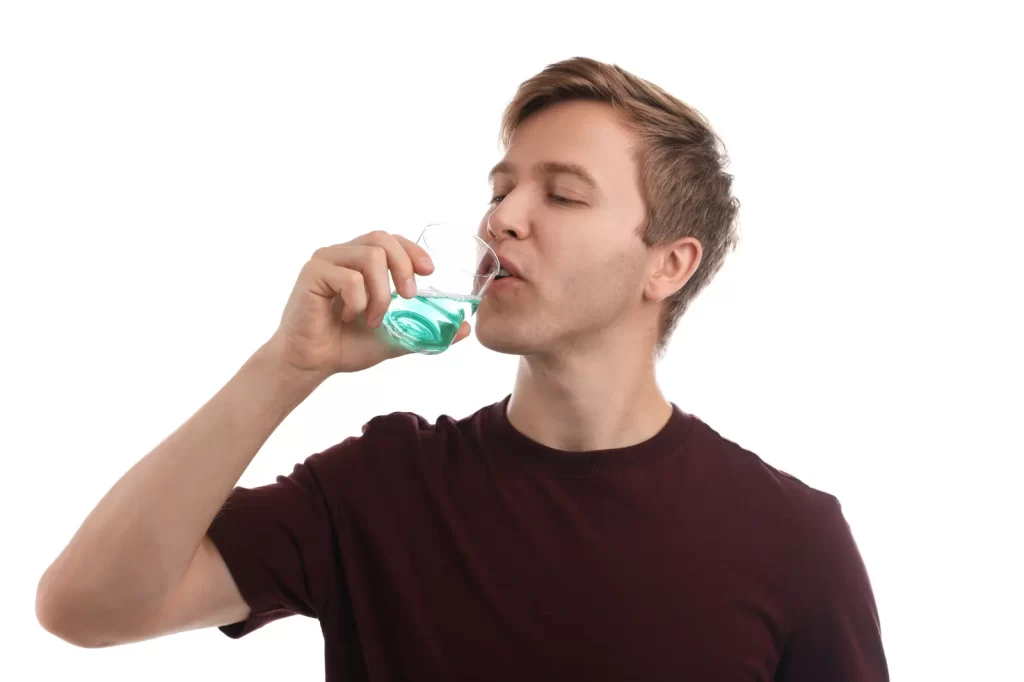
Dry mouth, or xerostomia, occurs when the salivary glands do not produce enough saliva to keep the mouth moist. Primary causes include dehydration, mouth breathing, certain medications, lifestyle, environment and even preexisting health conditions.
Is Dry Mouth and Dry Throat Connected?
Yes, dry mouth and a dry throat are closely linked because they share the same biological environment and protective mechanisms. The primary connection is saliva.
Saliva is constantly swallowed, providing a moist coating for the pharynx. It contains enzymes and antibodies that protect the tissues from infection and irritation.
When the saliva levels drop, your mouth and throat lose this protection simultaneously.
Can Dry Throat Occur without Dry Mouth?
Dry throat can occur without a dry mouth if the cause is localised.
Some of them might include:
- Post-nasal drip: Mucus draining from the nose can irritate the throat.
- Acid reflux: Stomach acid irritates the lining of the throat.
- Vocal strain: Excessive speaking or shouting that dries out the vocal cords.
Dry Throat and Dry Mouth Causes
- Systemic Dehydration
If the body is low on fluids, it reduces moisture across all mucous membranes, including the oral cavity and the throat. However, while drinking small amounts of water throughout the day helps, it does not replace the complex proteins found in natural saliva.
- Mouth Breathing
When a person breathes through the mouth instead of the nose, the incoming air bypasses the natural humidification of the nasal passages. This causes rapid moisture loss from both the tongue and the throat.
- Environmental Factors
Low humidity or recycled air in offices can dry out the entire upper respiratory tract at once.
- Nerve Pathways
The nerves that signal dryness in the mouth often overlap with those in the throat. This is why the brain often perceives them as a single, continuous sensation of irritation or thirst.
- Medicines and Treatments
Side effects from antihistamines, antidepressants, blood pressure medicines and decongestants are commonly known to cause it. Radiotherapy to the head and neck or certain chemotherapy drugs can also be one of the factors behind it.
- Lifestyle
Tobacco use, excessive alcohol consumption, and high caffeine intake.
⚕️Aelite Dental Asks: Does the sensation get worse after drinking caffeinated beverages or when using air conditioning? Recognising these specific patterns is a vital part of planning your oral care routine when consulting a dentist.
Dry Mouth Treatment Strategies
Apart from sufficient water intake:
- Chewing sugar-free gum containing xylitol can help trigger your salivary glands while simultaneously reducing the presence of cavity-causing bacteria.
- Considering a cool-mist humidifier while sleeping helps to prevent the oral and pharyngeal tissues from drying out (particularly for those prone to mouth breathing or snoring).
- Avoiding alcohol-based mouthwashes is important since they can worsen the sensation of dehydration.
- For individuals with severely diminished gland function, Aelite Dental finds that artificial saliva in the form of gels, sprays, and specialised rinses can be considered after a consultation.
The artificial saliva replicates the viscosity and mineral content while protecting the teeth and soft tissues.
⚕️Aelite Dental Notes: Artificial saliva does not cure the underlying cause, it only serves as a management tool to prevent the oral environment from becoming too acidic.
Can Dry Mouth Cause Mouth Sores?
Without the protective barrier of saliva, the delicate tissues of the mouth become prone to irritation.
This results in the development of painful mouth sores or ulcers and increases the risk of fungal infections, such as oral thrush.
That is why, devising an effective dry mouth treatment plan is vital.
And whileour clinic is located in Bexley, we also help patients who find us by searching for emergency dentist St George area, dentist Rockdale, and Hurstville Dentist.
When to Consult a Professional
Apart from lubrication and aiding your digestion, saliva prevents decay and helps re-mineralise the tooth enamel.
You may consider visiting Aelite Dental if you experience:
- Difficulty swallowing or speaking.
- A persistent change in the sense of taste.
- Visible white patches or sores in the mouth.
- Swelling of the salivary glands.
Together, team Aelite Dentalcan helpin determining a long-term dry mouth treatment that can work for you.
FAQs
Q. What causes extremely dry mouth and throat while sleeping?
When the nasal passages are obstructed by allergies, a deviated septum, or a common cold, the body naturally compensates by breathing through the mouth. This constant airflow causes the rapid evaporation of saliva, leaving the oral mucosa and pharynx parched.
Q. What nutritional deficiency causes dry mouth?
Vitamin A, Vitamin B12, Riboflavin (B2) and Niacin (B3), Vitamin D and Iron constitute key deficiencies associated with oral dryness.
Q. Is dry mouth a normal part of the ageing process?
While oral dryness is common among older individuals, it is not an inevitable consequence of getting older. Instead, it is often a secondary effect of systemic health conditions or the side effects of medications used to manage other conditions. If you notice a persistent change in moisture, it is important to consult a health professional.
Q. How does hydration impact saliva production?
Drinking water is essential for systemic health, but it does not always resolve xerostomia. Saliva is a complex fluid containing proteins and enzymes that water cannot replicate. While dehydration can cause dry mouth, some individuals may have dry mouth due to gland dysfunction even when fully hydrated.
Q. Can anxiety or stress physically dry out the throat?
Yes, we often respond to stress by activating the sympathetic nervous system. This can lead to a temporary reduction in saliva flow, often described as a cotton mouth sensation. It is a common physiological response during public speaking or high-pressure situations.
Q. Is there a proven link between dry mouth and diabetes?
Chronic high blood sugar levels can lead to increased urination and subsequent dehydration, which affects the moisture levels in the mouth. Additionally, individuals with diabetes may be more prone to oral infections that further irritate the tissues of the throat.
Disclaimer: This information is for educational purposes only and does not replace professional medical or dental advice. Always seek the advice of a qualified health provider regarding any medical condition or treatment. Any surgical or invasive procedure carries risks. Before proceeding, you should seek a second opinion from an appropriately qualified health practitioner.